After the fire completely destroyed the dune buggy, it was difficult to accept that four years of work had disappeared in a single night. Once the initial denial faded, we realized that since the project had been finished only two weeks earlier, we had just insured it. This allowed us to recover the full value of what we had put into the build. As I entered my junior year of high school, we looked back on everything we had learned and recognized that we could rebuild the buggy much better and much faster. We immediately began planning what we wanted to keep from the first design and what we wanted to improve. This time we bought a 1969 VW Bug, which uses independent rear suspension instead of a swing axle.
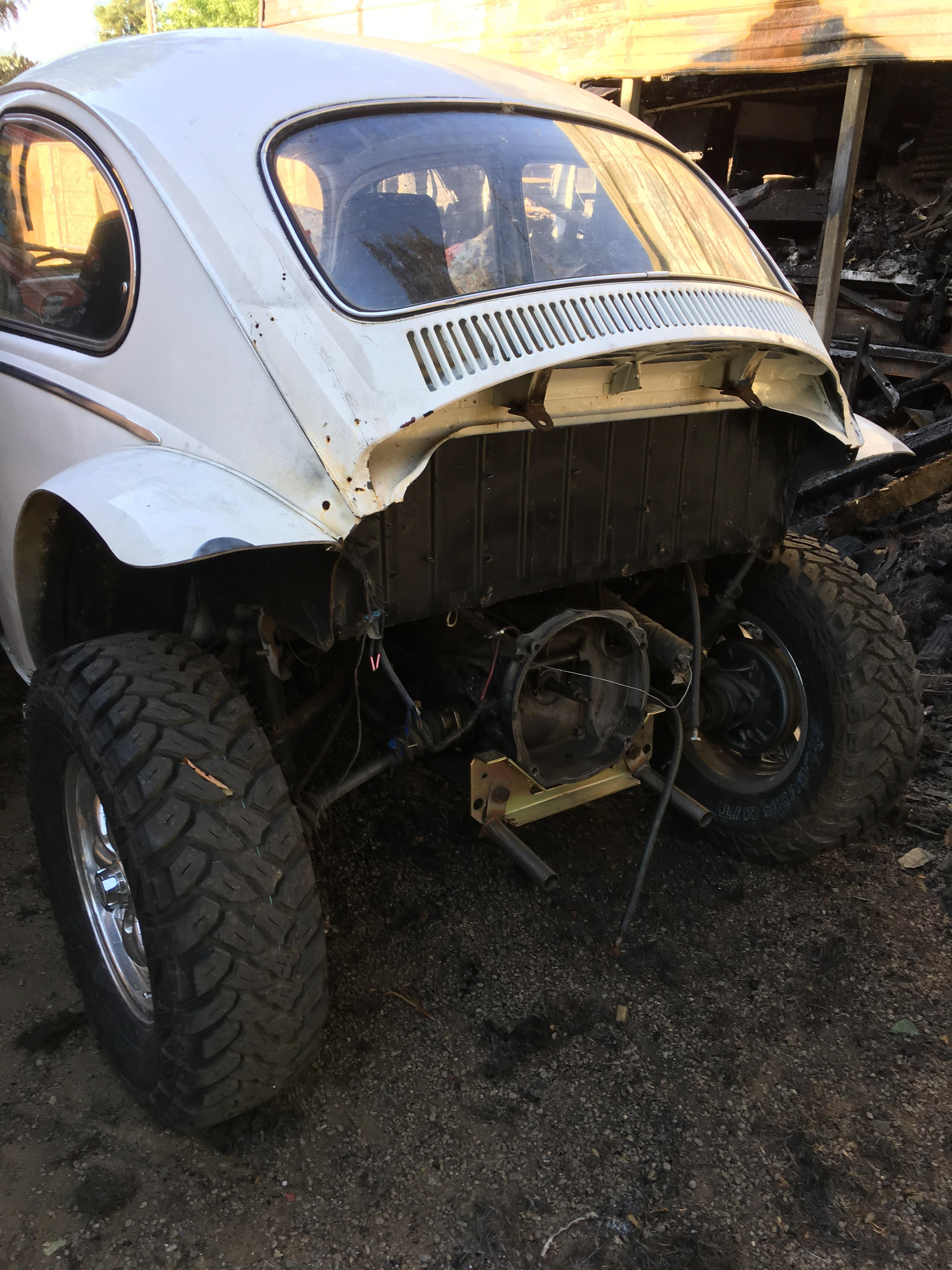
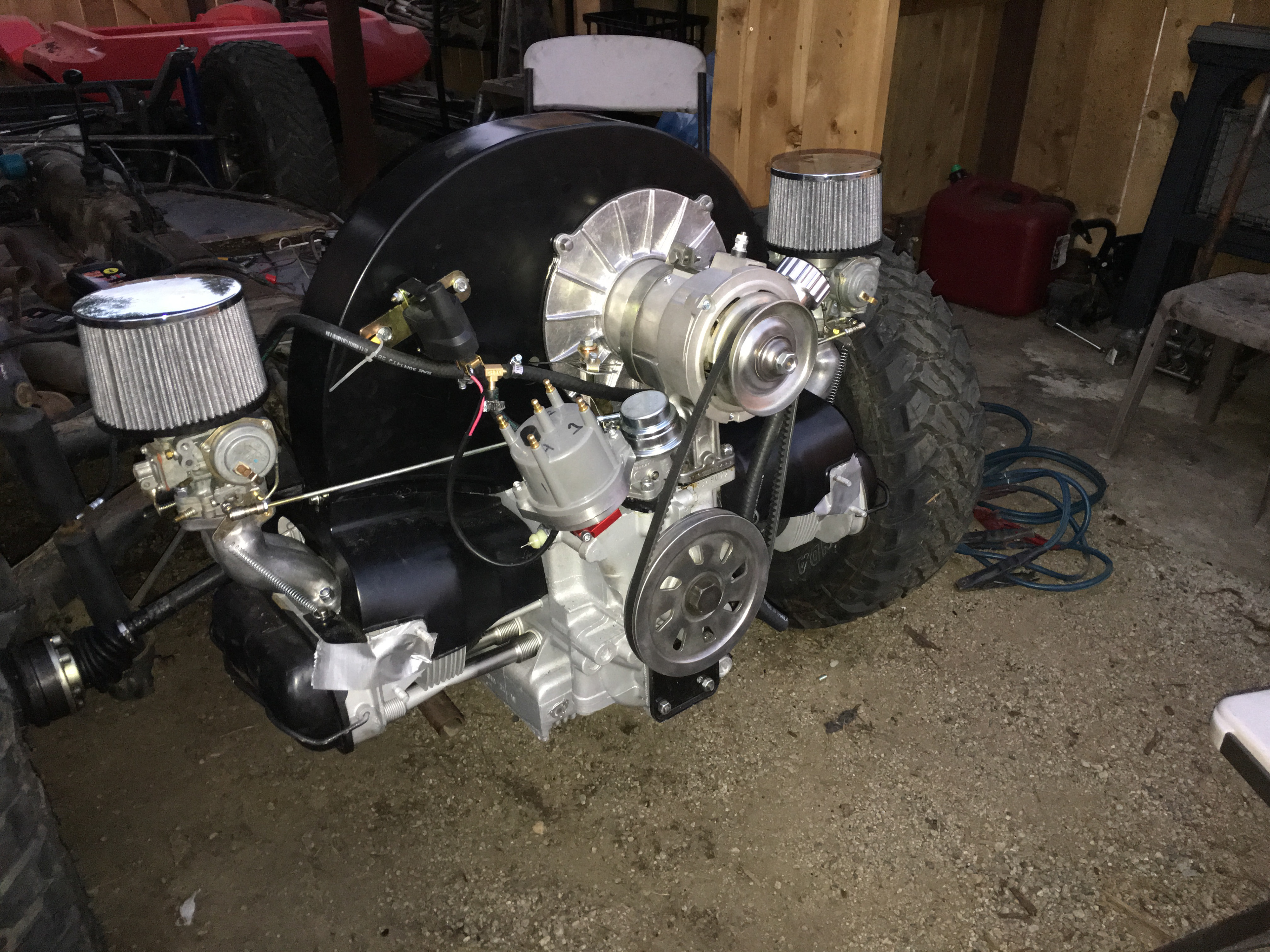
We also purchased a larger custom 1600 cc engine from a VW bus and installed dual carburetors. These were challenging to tune, but the increase in power was clear.
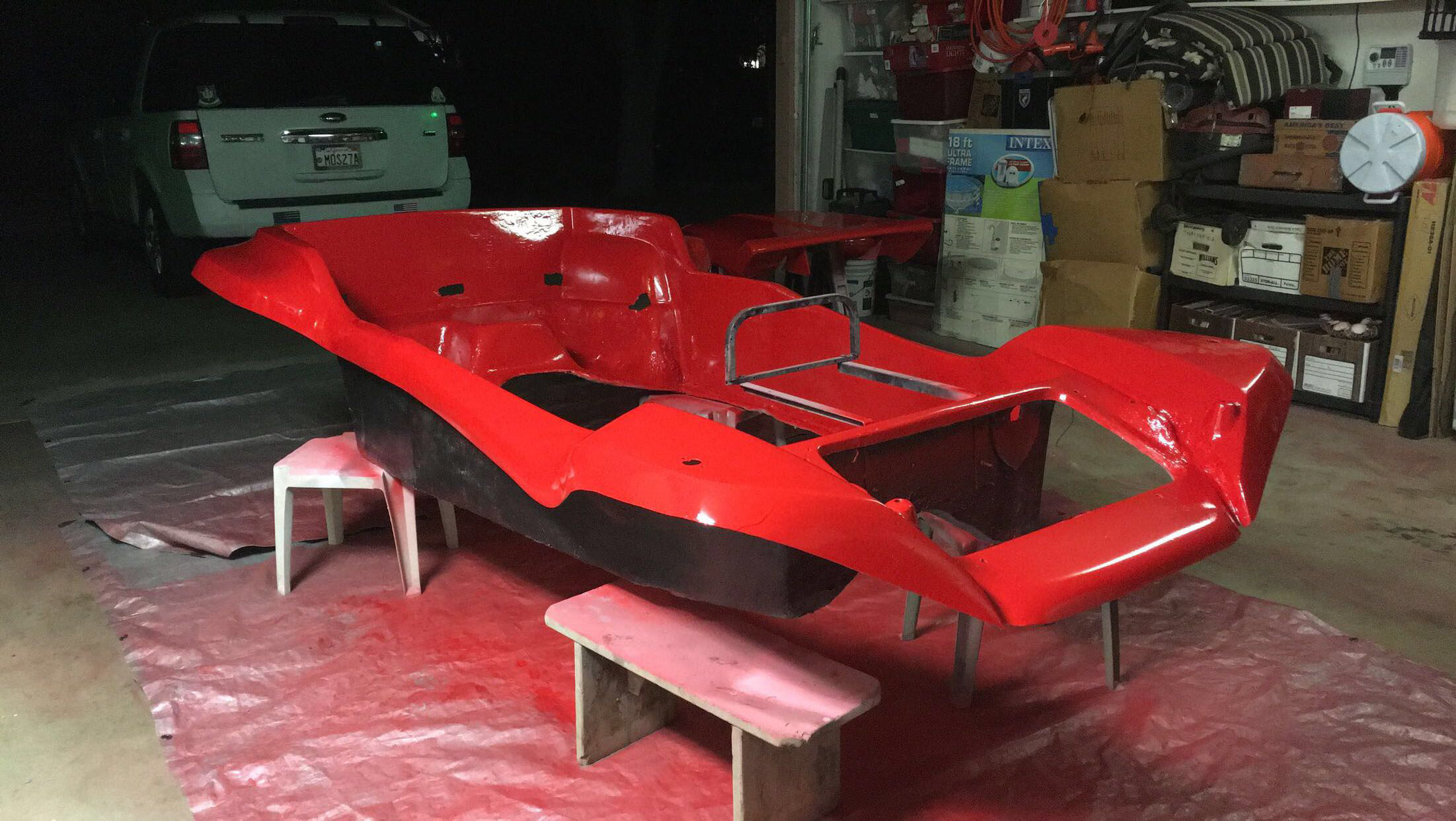
Similar to the first build, we extended the fiberglass body to fit four passengers.
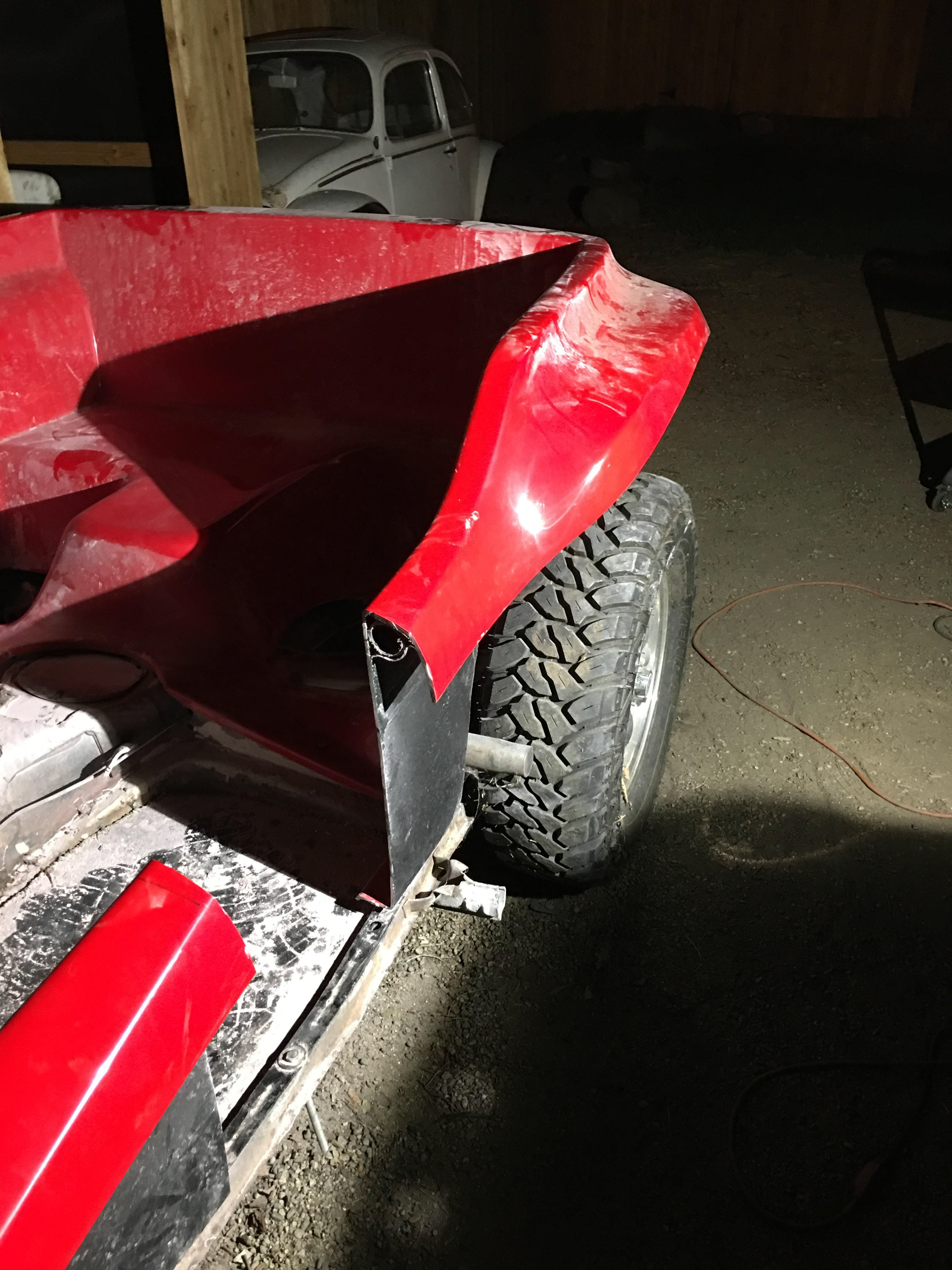
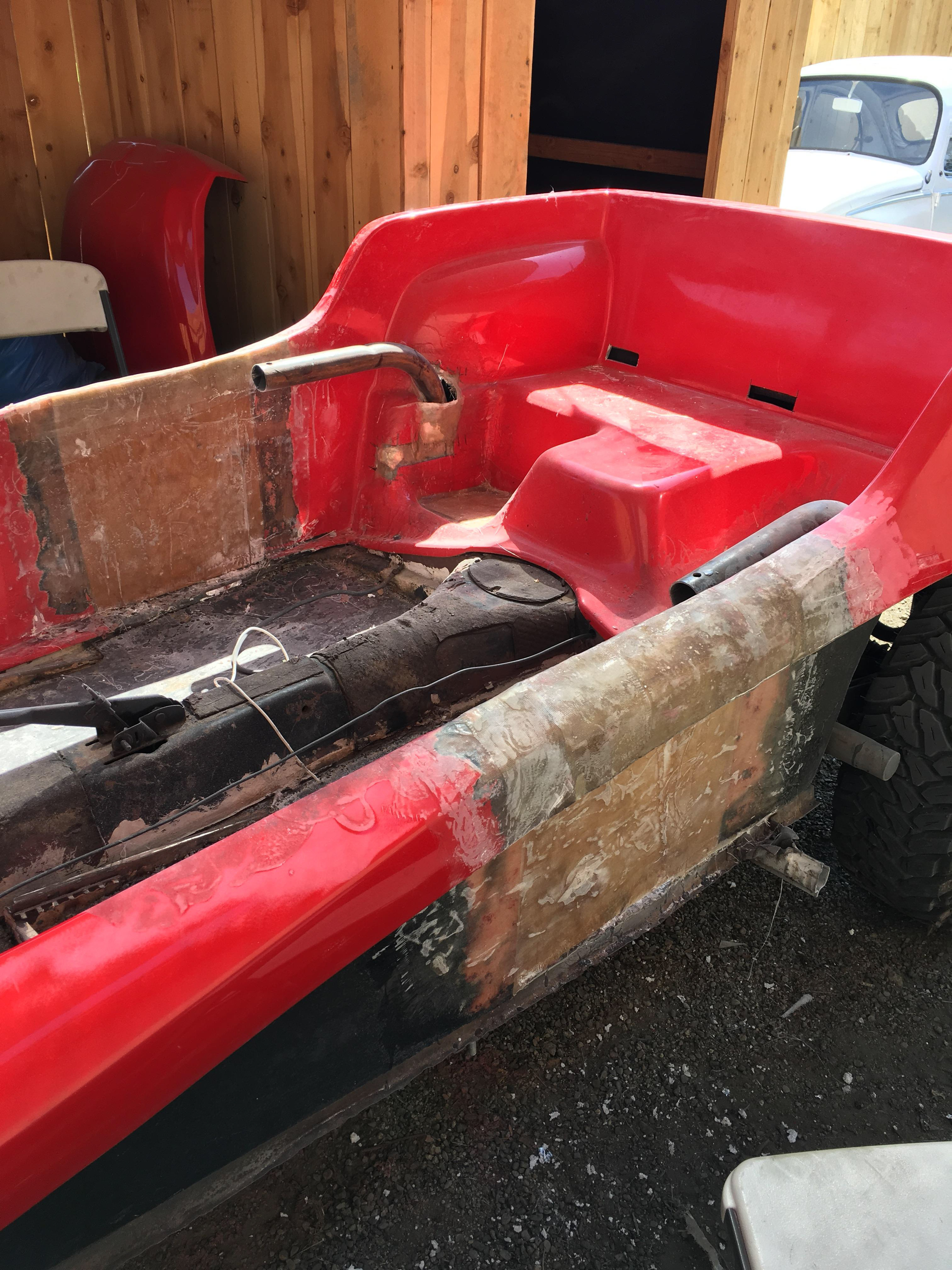
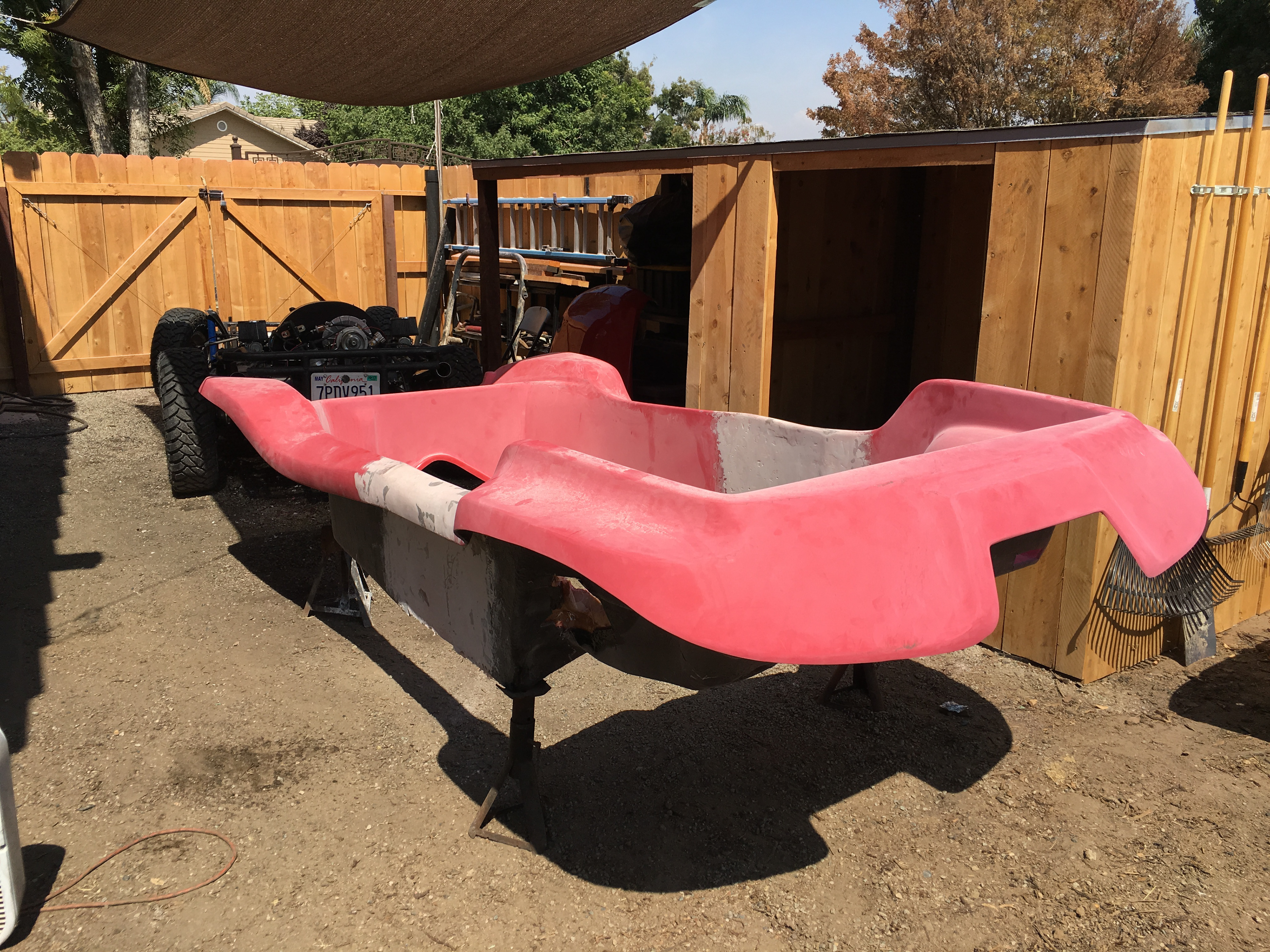
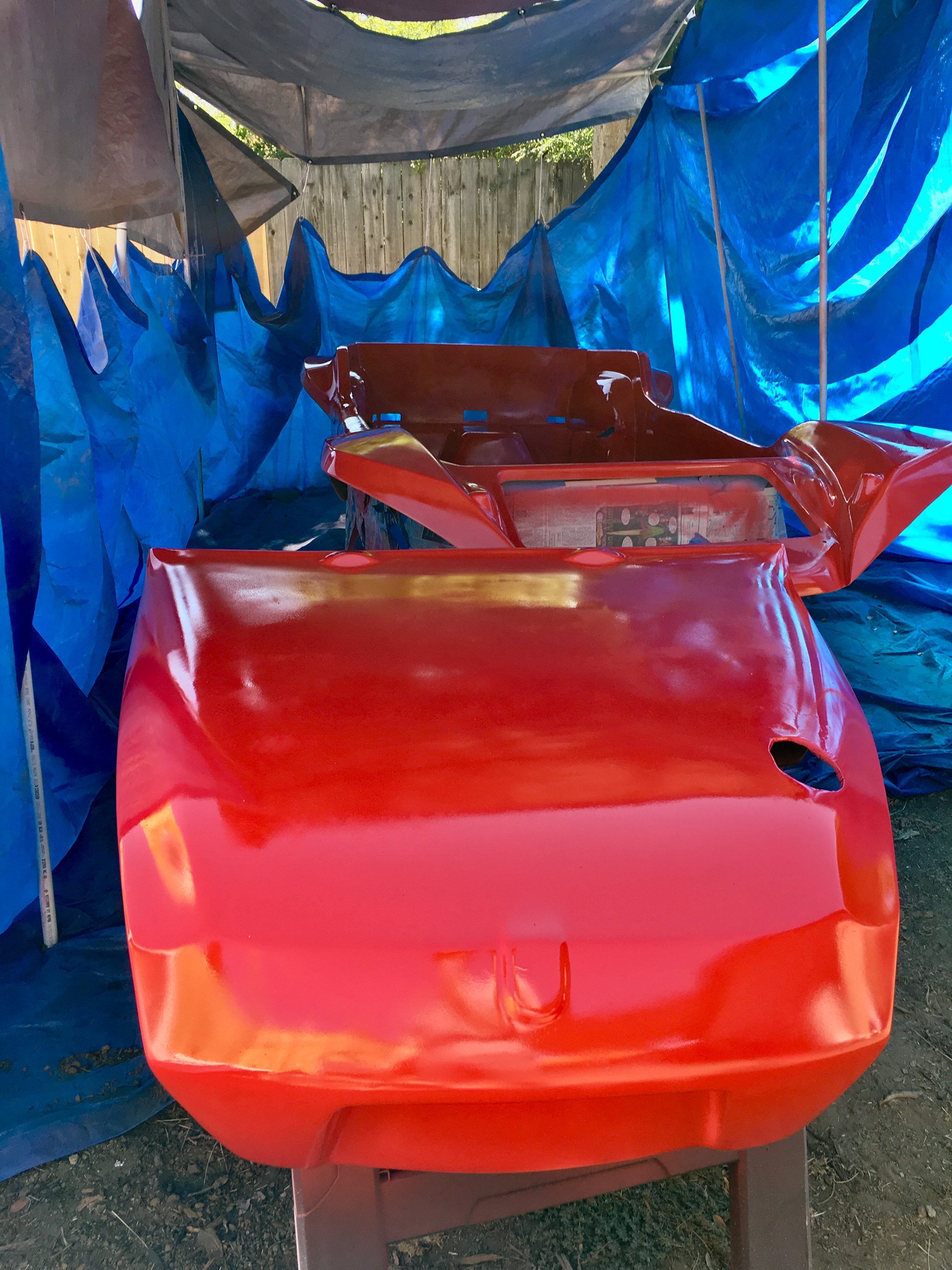
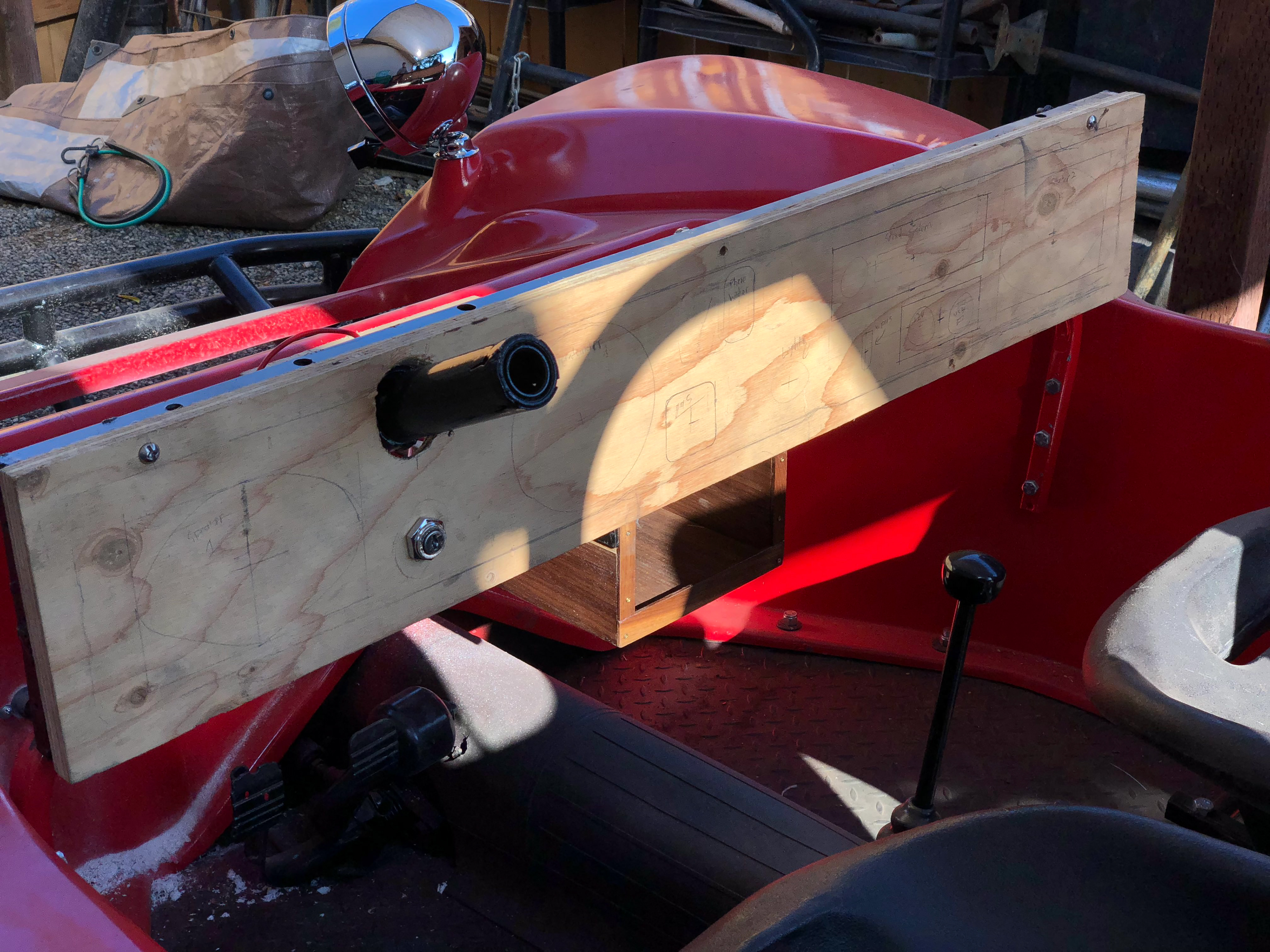
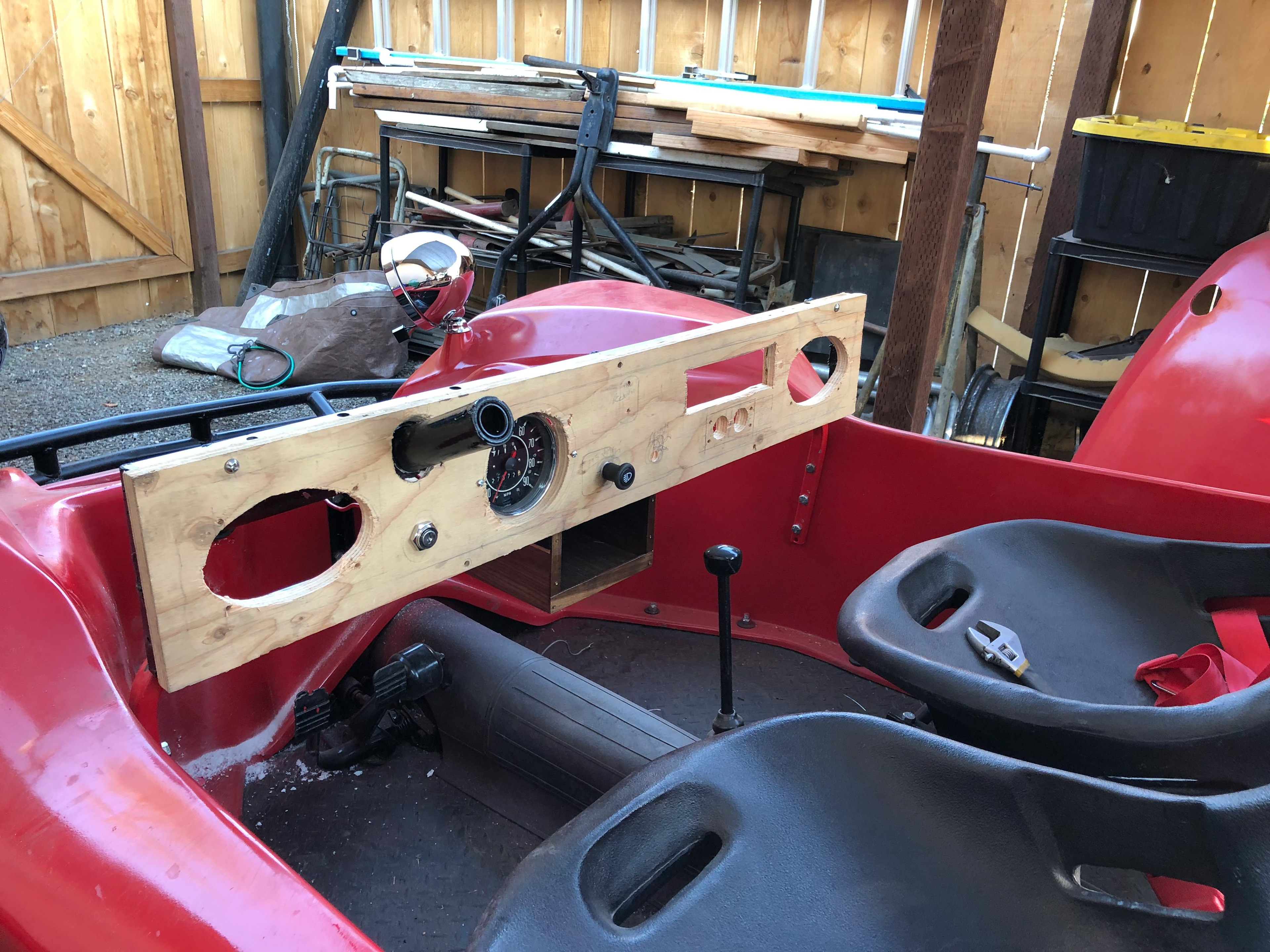
For the chassis, we added one quarter inch steel tubing along the underside to strengthen the frame, and we bolted the fiberglass body directly to this tubing, which made the structure significantly stiffer than before. I again designed the dashboard and gauge cluster, but this time I refined the layout and added a Bluetooth stereo system. The full rebuild took a little over a year.
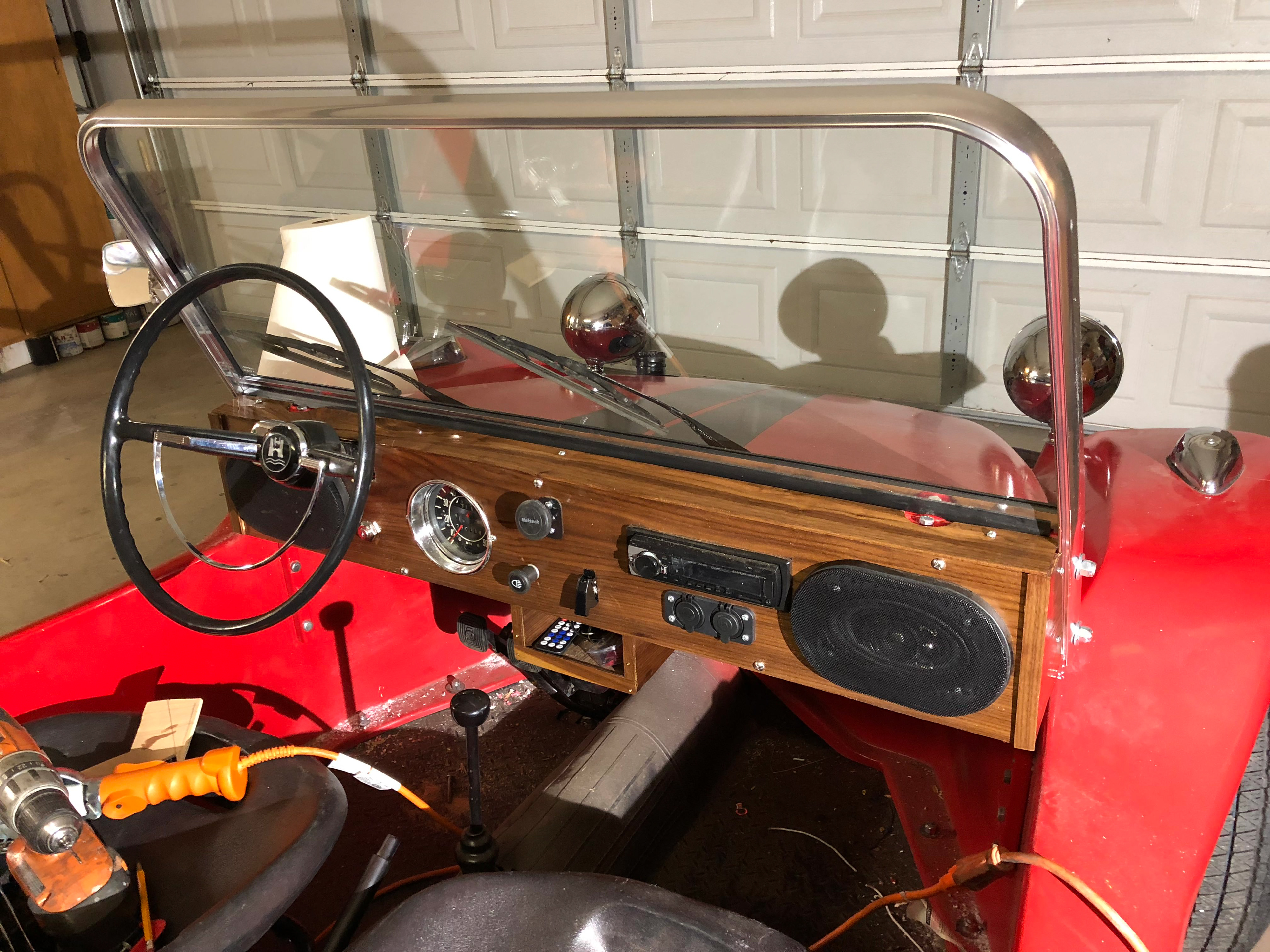
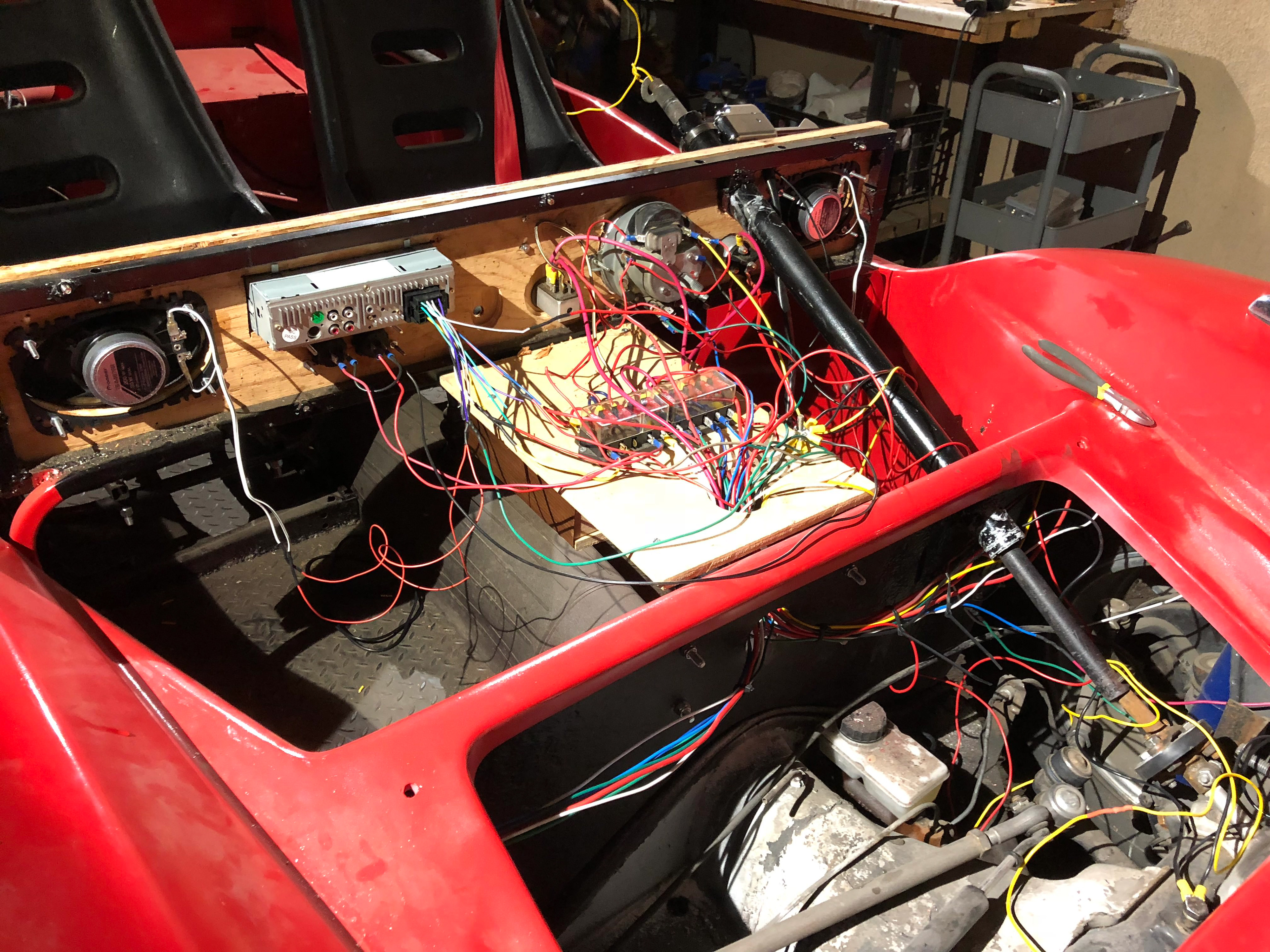
The finished buggy now lives in Pismo Beach, California, where we take it to the dunes whenever we can.
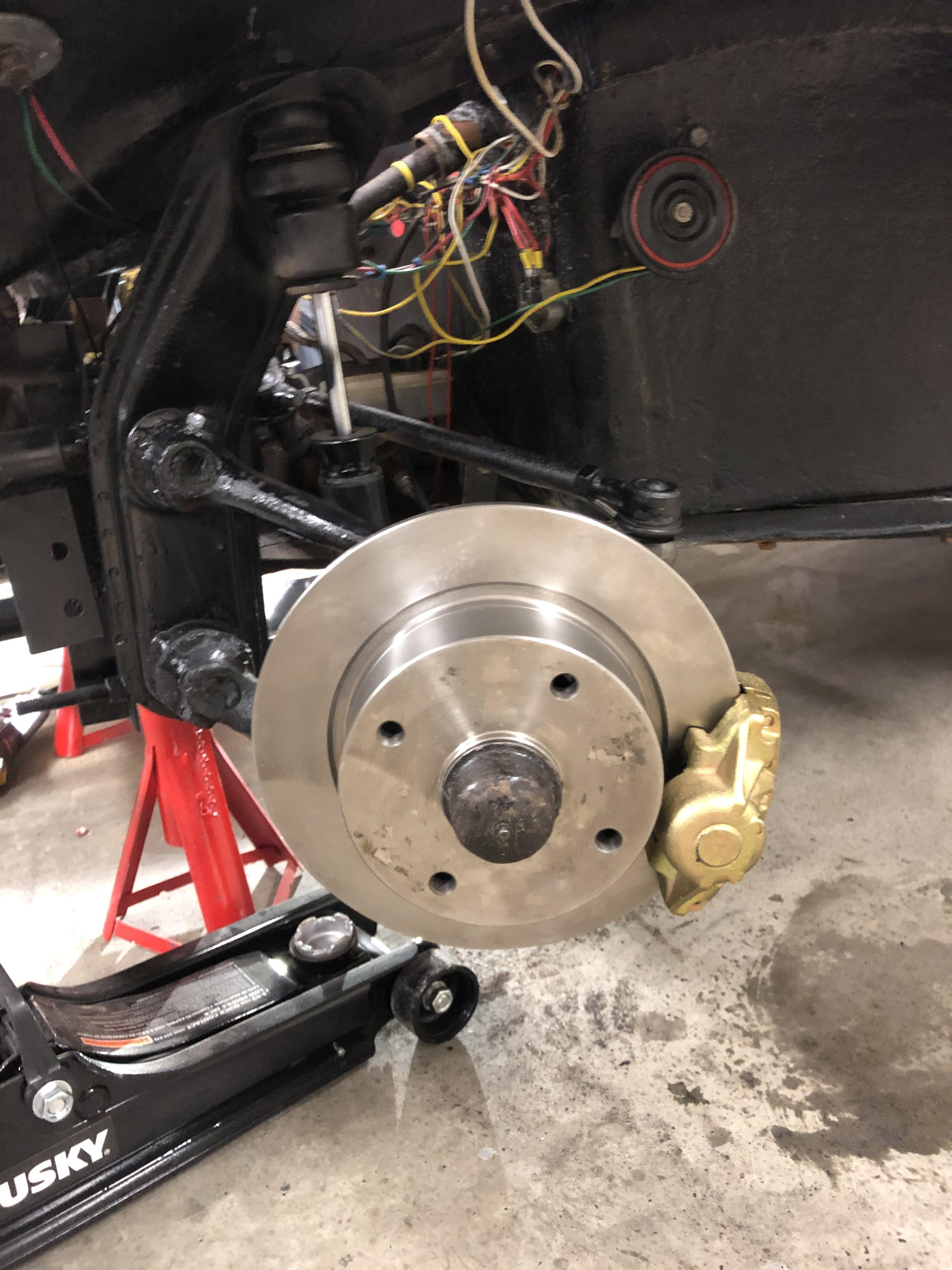
Since completing the rebuild, I have continued upgrading and refining the dune buggy. The first improvement was converting the front brakes from drums to single‑piston disc brakes. Because the vehicle is so light, the front wheels would lock up immediately under hard braking. To fix this, I installed a brake line proportioning valve that shifts more braking force to the rear wheels before the fronts lock.
Next, I converted the engine to an electronic fuel‑injection system. My goal was to improve performance and reliability, especially since the engine lives on the coast where air temperature and humidity change constantly throughout the day. The system helped the engine run more consistently, but I was ultimately unhappy with its limited tuning options. It also created a large parasitic draw on the battery, which caused frequent dead batteries when the buggy sat unused for weeks at a time.
To solve this, I switched to a single Weber dual‑barrel carburetor. It provides better airflow than the original dual‑carb setup and has proven far more reliable than the EFI system. This also improves the amount of sand that is around the intake. Originally, the dual carb setup had the intake in the wheel well, which was very bad for sand driving. This now puts the intake above the center of the engine, away from sand. This is the configuration the buggy runs with today.