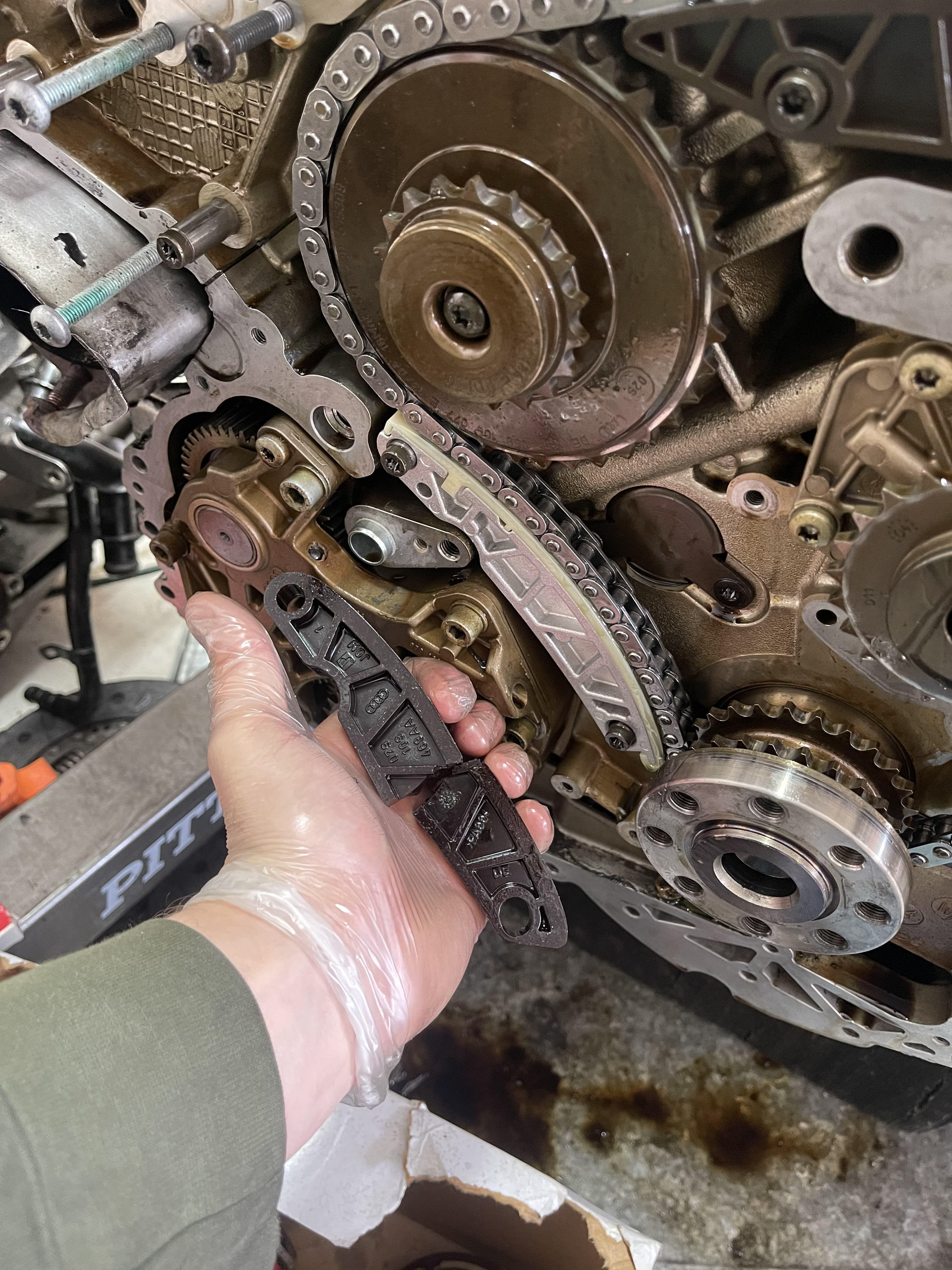
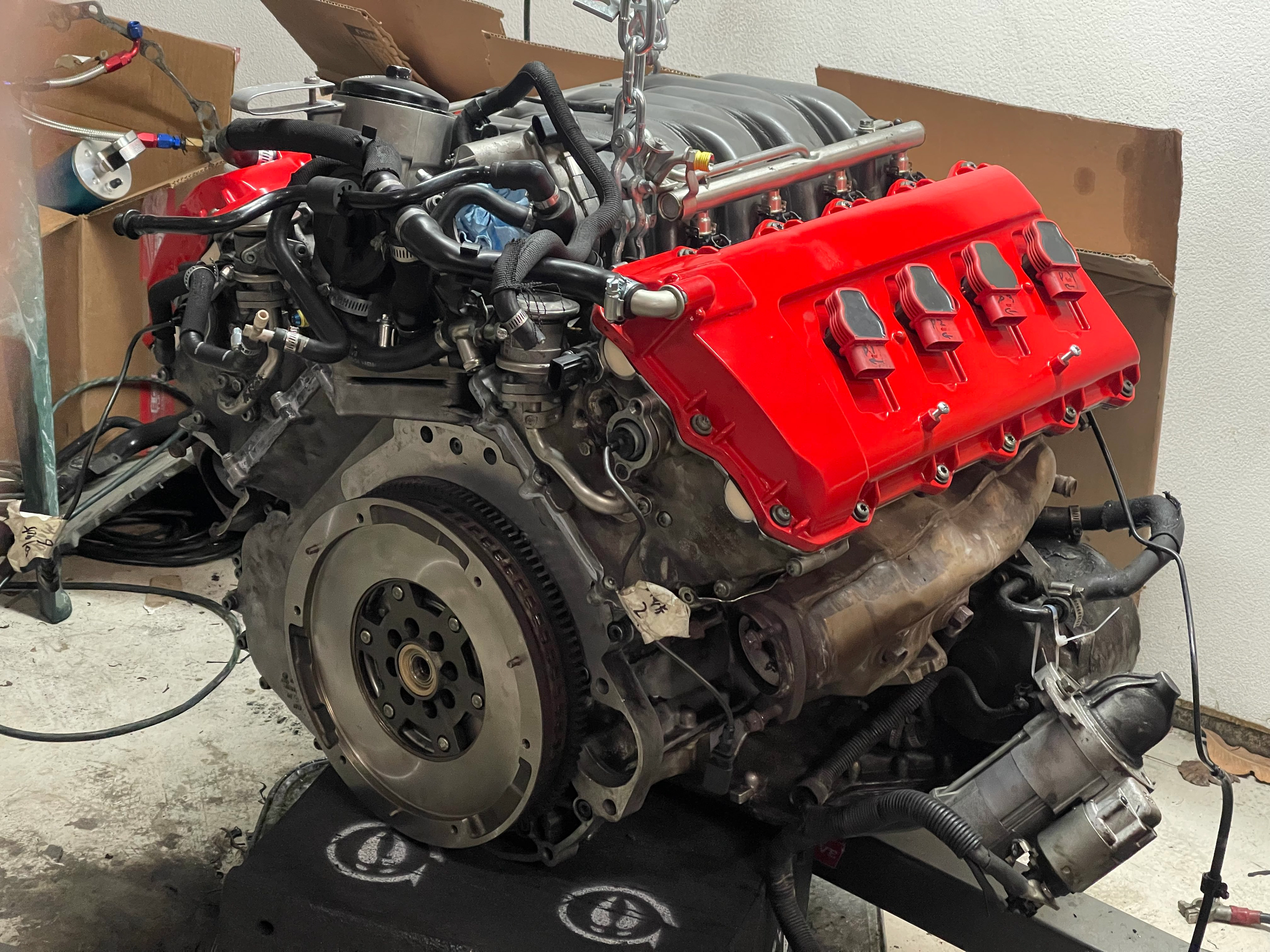
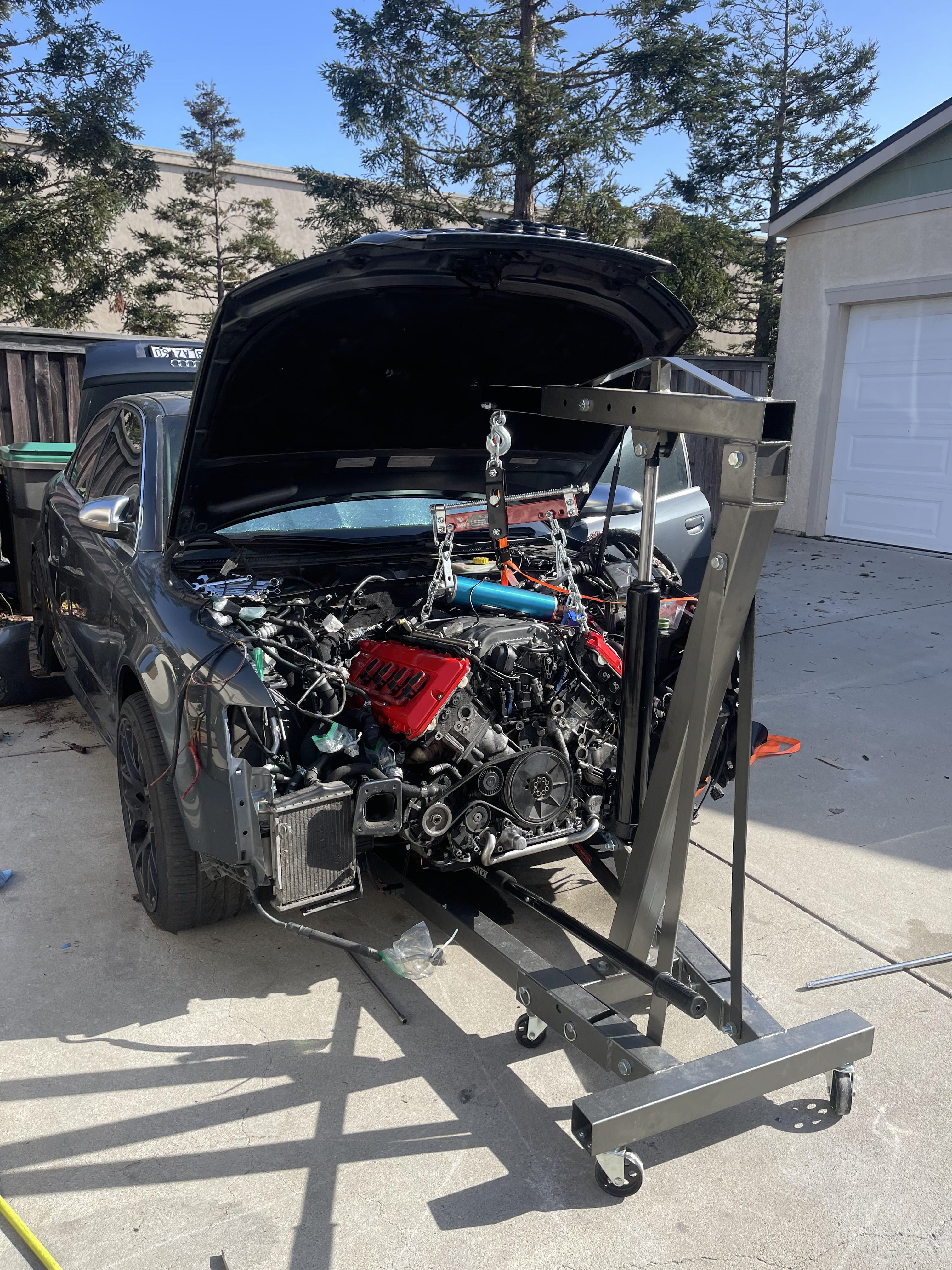
In 2020 I bought a 2005 Audi S4 B6. This car uses a 4.2 liter V8 that produces 340 horsepower and 302 pound‑feet of torque. It is an impressive engine, but it has one major flaw: the timing chain system. The engine was originally developed for the R8, and when Audi decided to use it in the smaller S4, they had to rotate it so the timing chains sat against the firewall. This makes them extremely difficult to access. To reduce manufacturing costs, Audi also replaced the original metal chain guides with plastic ones. These plastic guides often crack from repeated heat cycles and mechanical load, which means the engine has to be pulled to prevent a catastrophic failure.

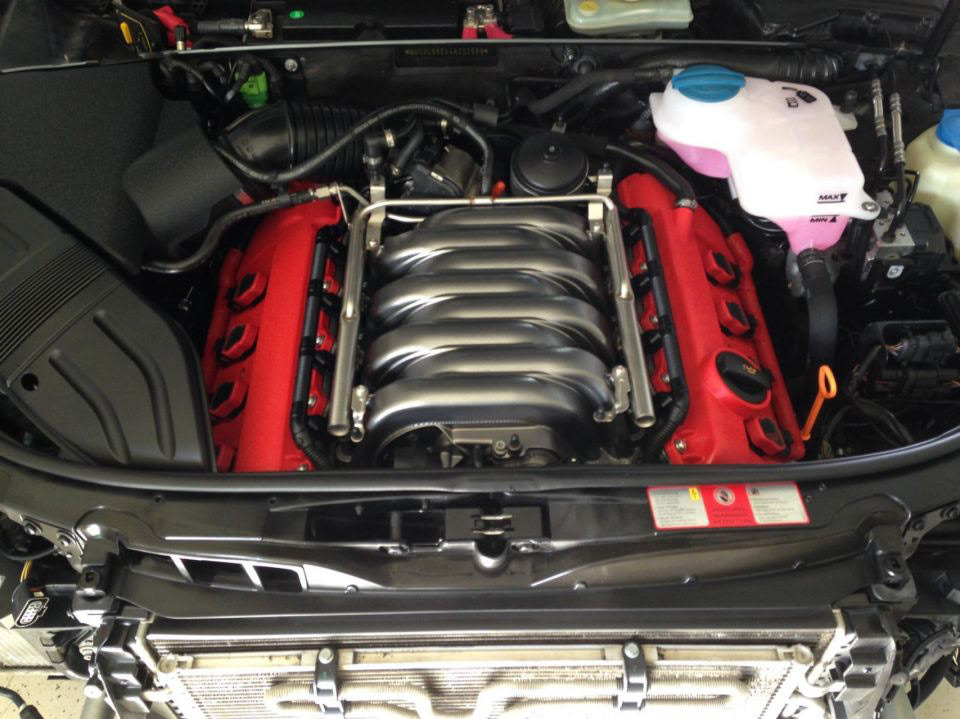
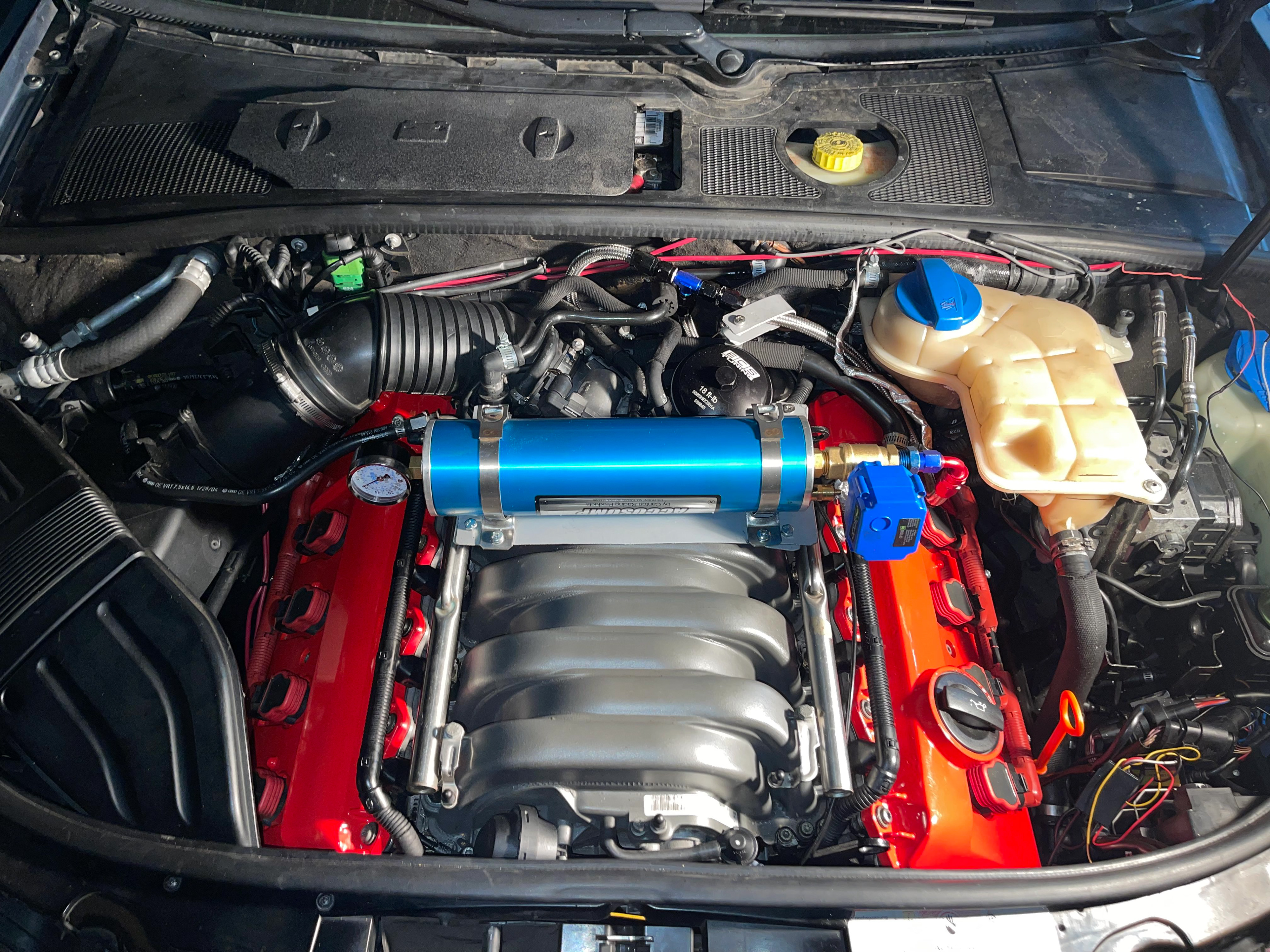
To reduce this risk, I designed and installed an oil Accusump system. The purpose of this system is to supply the engine with an initial surge of oil pressure during startup when the chains and their tensioners are at their slackest. This helps protect the timing components and improves long‑term reliability.
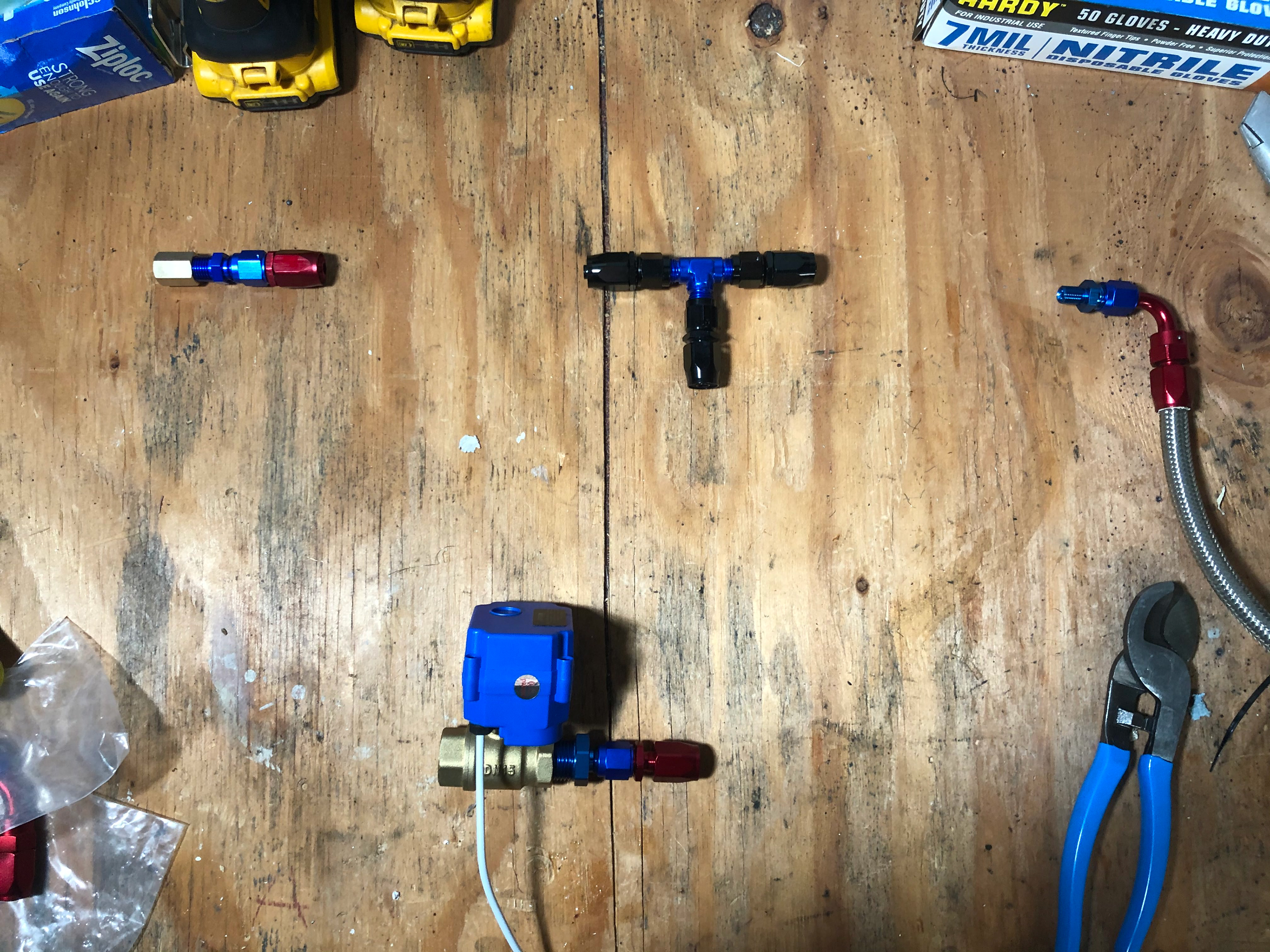
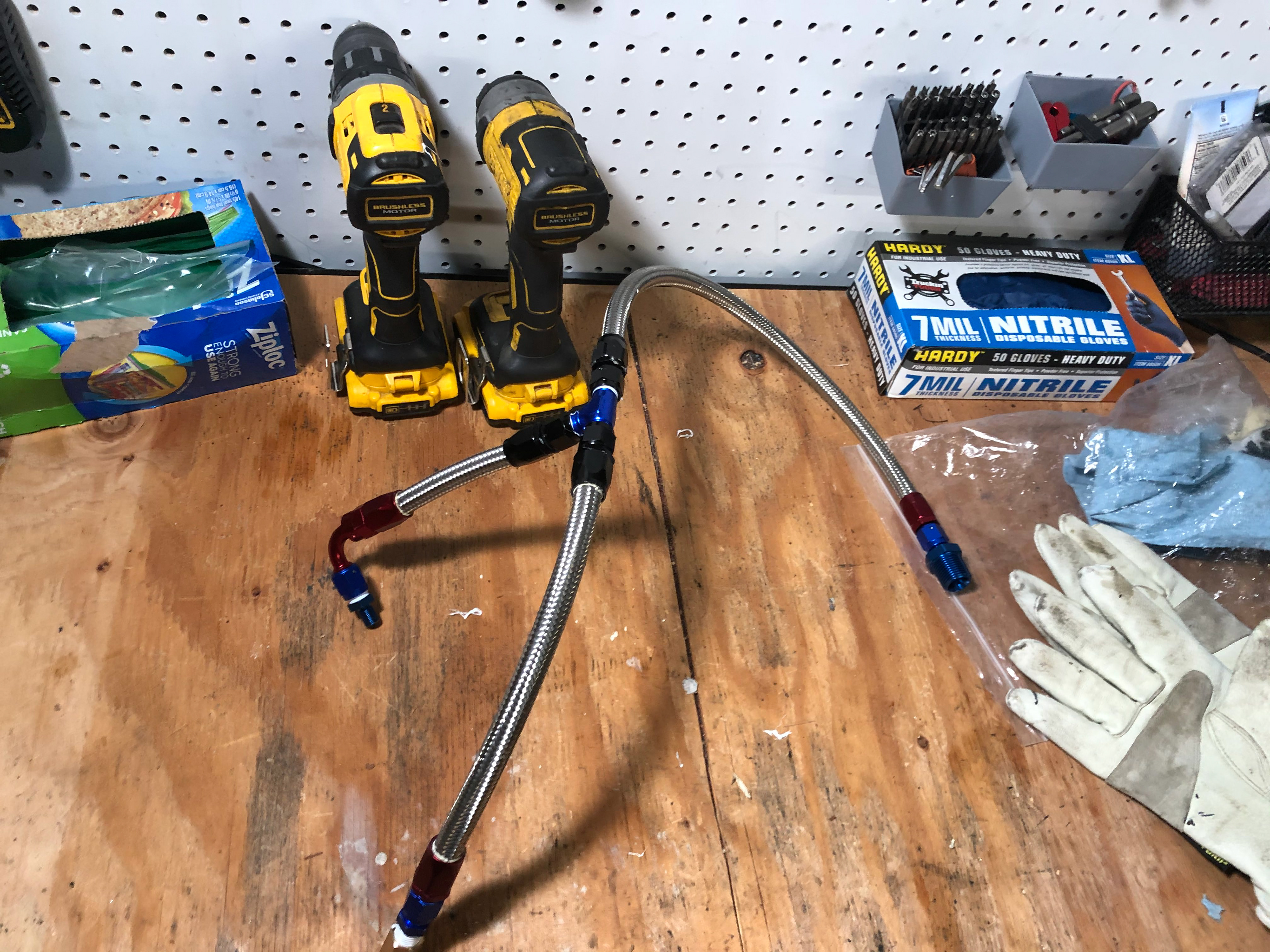
This system uses a solenoid valve that is designed to withstand the high temperatures of engine oil at operating conditions. During normal driving, the valve remains open so the Accusump can fill with pressurized oil. Once it reaches the engine’s running oil pressure, the valve closes and stores that pressure inside the Accusump. Before starting the engine, the valve is opened again, releasing a burst of oil pressure that pre‑tensions the timing chains. This reduces the risk of the chain guides being unloaded during startup, which is when they are most vulnerable to cracking. The oil system is plumbed into the port where the original oil pressure sensor is located, and the sensor is relocated to accommodate the new setup.
Unfortunately, the oil pump eventually failed and the chain guides broke. SO i am currently in the process of replacing these guides with the improved metal ones from the r8.